
The Thrill of Risk and Reward
The psychology behind casino gambling is deeply rooted in the thrill that accompanies risk-taking. For many, the excitement of placing a bet and the potential to win significant amounts of money creates an exhilarating experience. This rush of adrenaline can lead to a heightened sense of euphoria, making players feel invigorated as they engage in games of chance and explore online pokies that offer unique challenges and rewards. The anticipation of a win stimulates the brain’s reward system, releasing dopamine, a neurotransmitter linked to pleasure and motivation. This biological reaction often prompts individuals to seek out that exhilarating feeling, making gambling a compelling escape from the monotony of everyday life.
Moreover, the unpredictability of gambling outcomes significantly contributes to its allure. Gamblers often find themselves ensnared in a cycle of hope, where each spin of a slot machine or roll of the dice holds the promise of life-altering winnings. This uncertainty can be thrilling, blending elements of excitement and fear. The brain frequently overlooks the harsh realities of statistics and odds, focusing instead on the enticing potential rewards. This psychological phenomenon, known as the “gambler’s fallacy,” leads individuals to erroneously believe that past outcomes can influence future results, resulting in decisions driven by emotion rather than logic.
The concept of loss aversion is another critical factor in the psychology of gambling. Research indicates that the pain of losing money can outweigh the pleasure of gaining the same amount. As a result, gamblers may increase their bets in an attempt to recover losses, often escalating their risks in hopes of reversing a losing streak. This behavior showcases how emotional responses can overshadow rational thinking in gambling scenarios. To amplify these feelings, casinos design their environments to enhance the gaming experience, using sounds of slot machines and visually appealing winning displays to create a psychologically immersive atmosphere.
The Social Aspect of Gambling
Casino gambling extends beyond mere solitary activity; it often encompasses social interactions that significantly enhance the overall experience. Many gamblers relish the camaraderie built in games like poker, where strategies are exchanged and fortunes shared. This social dimension fosters a sense of belonging among players, as they gather in groups to celebrate wins and share in losses. The electric atmosphere of a casino can be intoxicating, drawing individuals in with the thrill of competition and collective excitement. Such social elements make the gambling experience more rewarding, encouraging patrons to return time and again.
The principle of “social proof” plays a vital role in gambling psychology. When individuals witness others winning or enjoying themselves, it reinforces their desire to participate in gaming activities. This phenomenon can entice newcomers to engage in gambling, swayed by observing the enjoyment of others. Casinos intentionally cultivate this communal atmosphere, creating spaces where interactions thrive, such as lounges, bars, and game tables, all designed to promote connections among players. The lively energy generated by these social interactions can significantly influence gambling behavior and decisions.

Additionally, shared experiences through promotions and events held at casinos further solidify relationships among players. Tournaments and themed nights encourage congregations, fostering friendships and loyalty to the venue. These experiences create lasting memories that motivate players to return, driven by both social interactions and the prospect of financial gain. Thus, the social aspect of gambling serves as a powerful influence, enhancing participants’ psychological attachment to the activity and the establishments that provide it.
The Role of Cognitive Biases
Cognitive biases play a crucial role in shaping how gamblers perceive risk and reward within casino settings. One prominent bias is the illusion of control, where players mistakenly believe they can influence the outcomes of games of chance through skill or strategy. This belief is particularly prevalent in games like blackjack or poker, where players think their decisions can affect the results. Even in games governed purely by chance, such as roulette, gamblers may develop superstitions or rituals, believing these practices will enhance their luck. This cognitive distortion illustrates the human tendency to seek patterns and control, even in random scenarios.
Another prevalent cognitive bias in gambling is the overconfidence effect, which leads individuals to overestimate their knowledge or ability to predict outcomes. This bias can foster a false sense of security, encouraging gamblers to place larger bets or gamble for extended periods. For instance, a player who wins several hands in poker may feel invincible and decide to raise their stakes, oblivious to the statistical probabilities at play. This overconfidence can result in significant financial losses, as the emotional high from prior victories clouds judgment and rational decision-making.
The availability heuristic represents yet another cognitive bias that impacts gamblers. This bias occurs when players rely on readily available examples to evaluate the likelihood of an event. For example, if someone recalls a friend winning a substantial jackpot recently, they may mistakenly believe their chances of winning are also heightened. By focusing on specific, memorable instances instead of statistical probabilities, gamblers risk making poor decisions driven by emotion rather than factual information. The interplay of these cognitive biases profoundly shapes how gamblers engage with their environment and influences their overall experiences.
The Impact of Environment on Gambling Behavior
The casino environment is meticulously crafted to enhance the gambling experience and stimulate players’ senses. From the layout of gaming floors to the sounds of coins clinking, every element is designed to create an immersive atmosphere. The strategic placement of slot machines, coupled with bright lights and vibrant colors, aims to keep players engaged and draw them deeper into the establishment. This sensory overload heightens excitement and distracts players from the passage of time, encouraging prolonged gambling sessions that might exceed their initial intentions.
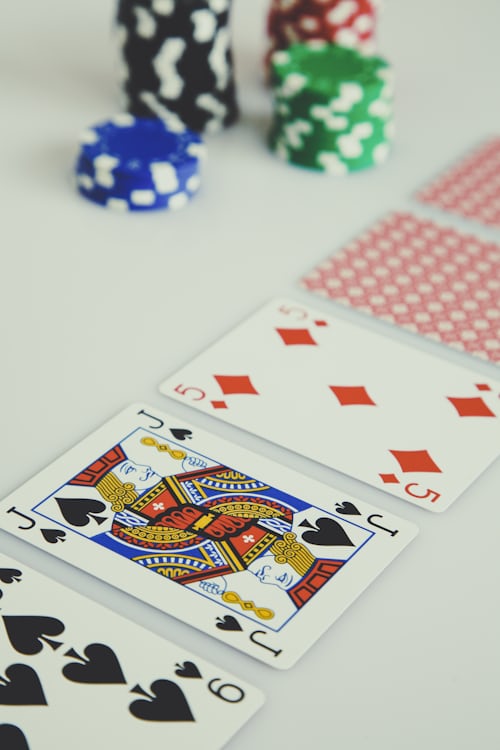
Furthermore, the absence of clocks and windows in many casinos serves to deepen the immersive experience. By creating an environment where time seems to stand still, casinos can keep players focused solely on the games at hand. This design strategy plays a critical role in maintaining player engagement, leading individuals to lose track of time and their spending limits. The combination of auditory and visual stimuli generates a euphoric feeling that can be challenging to resist, ultimately shaping gambling behavior in profound and often detrimental ways.
The presence of alcohol also significantly influences gambling behavior within casinos. Many establishments offer complimentary drinks to patrons, enhancing the social atmosphere while lowering inhibitions. Consuming alcohol can impair judgment, prompting individuals to place riskier bets and make decisions they might otherwise avoid. This intentional strategy highlights how environmental factors can amplify the psychological dimensions of gambling, encouraging participants to engage in behaviors they may later regret. Understanding the impact of the casino environment is essential for grasping the psychological dynamics at play in the gambling experience.
Exploring Gambling Resources Online
With the rising popularity of online casinos and gambling platforms, understanding the psychology behind gambling has become increasingly vital. Many individuals turn to online resources to enhance their gaming knowledge and strategies. Websites dedicated to educating players about odds, strategies, and responsible gambling practices have emerged as valuable tools. These resources offer insights into the nature of games and help players make informed decisions, thereby influencing their gambling approaches.
Additionally, online gambling presents unique psychological dynamics distinct from traditional casinos. The convenience and anonymity of playing from home can lead to behaviors such as increased gambling time and greater risk-taking. Without the tangible environment of a physical casino, players may feel less accountable for their actions, potentially leading to issues like addiction. Understanding these nuances is crucial for players and those designing resources to help manage gambling habits effectively.
As the landscape of gambling continues to evolve, ongoing research into the psychology behind these behaviors remains essential. Websites focusing on responsible gaming advocate for practical strategies to minimize the risks associated with gambling. They provide information on self-exclusion tools, setting limits, and recognizing when gambling becomes problematic. Ultimately, understanding the psychology behind casino gambling, whether in physical establishments or online platforms, is crucial for fostering a safer and more enjoyable gaming experience for all players.
